
About
Zhejiang Honye founded in 2010 is a National High-tech Enterprise, specializing in color and functional masterbatches, meltblown materials, biodegradability materials and other modified polyolefins for packaging, healthcare,synthetic fibers,transportation, and other industries. The backbone team has 20 years of experience. Honye has advanced technology, equipment and high R&D capabilities,and passes the ISO-9001 certification.Embracing the mission of "Shaping" the future with precision and sincerity, Honye takes it as its own responsibility to become a technology pioneer and a market leader in multiple rubber and plastic subdivisions. Honye perseveres in the business philosophy of creating value, sharing progress and win-win cooperation. Looking forward to working together with you to create a better future! https://www.honyemb.com/
Home
Foaming masterbatch is a type of additive that is added to polymers to create a foam structure within them. It is made up of a combination of blowing agents and carrier resins, which are mixed together and then added to the polymer processing equipment.
Contact
E-mailmarineqian@honyemb.com
Address Huanchengnan Rd, 4-04B, Longquan, Zhejiang, China
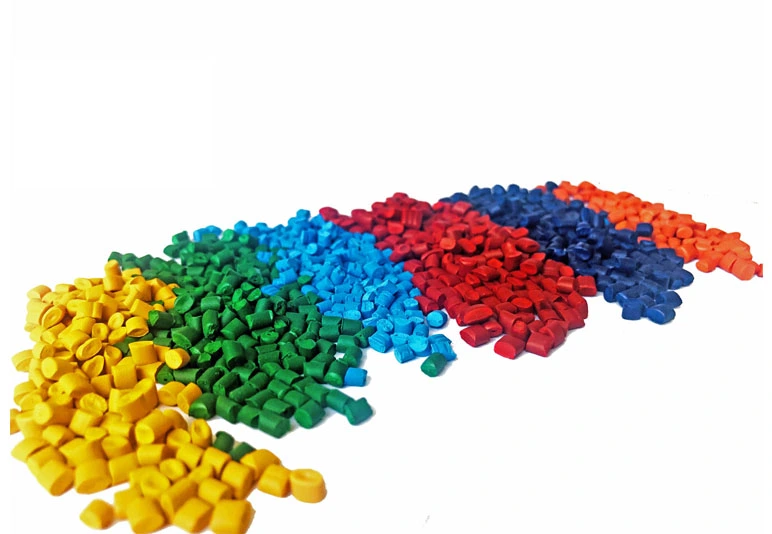 COLOR MASTERBATCH
Color plastic masterbatch are highly concentrated formulations of pigments or dyes in a carrier resin. They are used in the plastics industry to add color to various plastic products. Plastic color concentrate manufacturers provide these formulations to simplify the color matching process and allow for consistent and accurate coloring of plastic products.
COLORFUL PLASTIC MASTERBATCH TYPES
Universal Color Masterbatches
Universal colorful plastic masterbatch contains a high concentration of pigments or dyes, dispersed in a carrier resin.
Custom Color Masterbatch
Color masterbatch is a polymer carrier designed to add vibrant and consistent colors to plastic products.
Does Using a Color Masterbatch Help Facilitate a Cost-effective Process?
Yes, using a plastic plastic colorant masterbatch can help facilitate a cost-effective process by simplifying the coloring process and reducing waste. The use of pigment masterbatches allows for accurate and consistent coloring of plastic products, reducing the need for additional coloring agents and minimizing the amount of waste generated during the colorful plastic masterbatch manufacturing process.
WHICH INDUSTRIES BENEFIT FROM COLOR MASTERBATCH SERVICE?
Which Industries Benefit from plastic color masterbatch Service?
The color master batch service benefits a broad range of industries, including the packaging, automotive, construction, textiles, household goods, and medical industries. Essential color masterbatch industry in which colour master batch may be used cover products such as bottles, food containers, pipes, fittings, automotive components, electrical appliances, toys, and consumer goods.
WHAT ARE THE EFFECTS OF USING COLOR MASTERBATCHES?
What Are the Effects of Using Color Masterbatches?
The effects of using plastic colorant masterbatch include the ability to add vibrant, consistent color to plastic products. They can also improve the overall appearance and appeal of the final product, increase its durability, and offer better resistance to weathering and UV light. Additionally, using color plastic masterbatch can help to reduce manufacturing costs and minimize the amount of waste generated.
HOW ARE COLOR MASTERBATCHES ADDED TO PLASTIC PRODUCTS?
How Are Color Masterbatches Added to Plastic Products?
Color masterbatches from color masterbatch supplier are typically added to plastic products during the manufacturing process as a small proportion of the total raw material mix. To add color to the product, the masterbatch pellets are mixed in with the polymer pellets and then melted, mixed, and extruded to form the final product. The amount of masterbatch used depends on the desired color intensity and the thickness of the product.
If you are looking for a reliable masterbatch factory, please contact us.
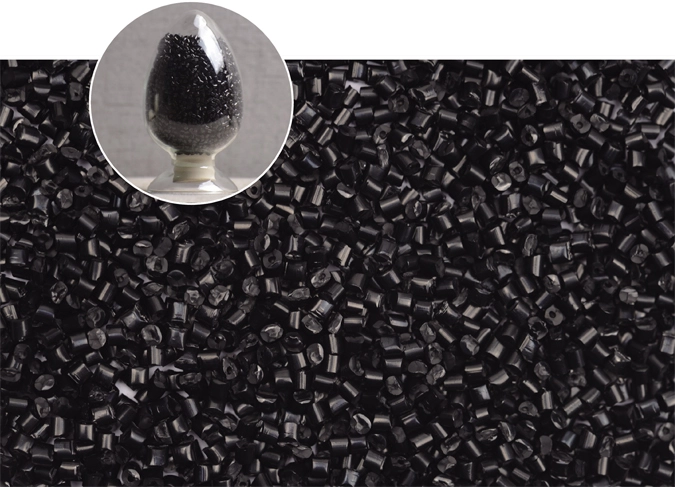 BLACK MASTERBATCH
Black color masterbatch is a blend of pigments and additives used to impart intense black color to plastic products. High quality Carbon Black content up to 45% indeed provides excellent color consistency and improved mechanical properties to the final product. Black masterbatch manufacturers offer this product widely used in various industries like packaging, healthcare, consumer goods, construction, and automotive. For those interested, the black masterbatch price can vary depending on the specific requirements and quantities needed.
Specifications of Black Masterbatch
What Are the Advantages of Using Black Masterbatch?
Plastic black masterbatch, compared to other color masterbatches, provides excellent color consistency, high opacity, and improved mechanical properties like light and heat resistance to the final product. It also reduces manufacturing costs and improves the product's overall appearance.
How Is Black Masterbatch Added To Plastic Products?
carbon black master batch can be added to plastic products during the extrusion, injection molding, or blow molding process. It is typically mixed with the base resin to create a homogeneous blend.
Black Masterbatch Applications
Black carbon masterbatch is widely used in various industries such as packaging, healthcare, consumer goods, construction and automotive, where a consistent black color is desired.
Packaging Industry
Plastic Films and Sheets: conductive carbon black masterbatch is widely used in the production of plastic films and sheets, providing UV resistance and improving opacity. It is commonly used in agricultural films, trash bags, and protective packaging.
Bottles and Containers: master batch black is essential in the manufacture of bottles and containers for cosmetics, pharmaceuticals, and household products, ensuring consistent color and protection from light degradation.
Automotive Sector
Interior Components: The automotive industry utilizes black masterbatch for various interior components such as dashboards, door panels, and trims. It ensures uniform color and enhances the overall aesthetic of the vehicle interior.
Exterior Parts: Black masterbatch is also used in exterior parts like bumpers, grills, and mirror housings, providing UV stability and resistance to weathering.
Construction Materials
Pipes and Fittings: In the construction industry, black masterbatch is used in the production of pipes and fittings for water, gas, and sewage systems. It offers excellent UV protection and increases the lifespan of these products.
Geomembranes: Black masterbatch is essential in geomembranes used for landfill liners, pond liners, and mining applications, providing durability and resistance to environmental stress.
Electronics and Electricals
Cables and Wires: Black masterbatch is used in the insulation of cables and wires, ensuring consistent coloration and protection from UV light. It also enhances the mechanical properties of the insulation material.
Electronic Housings: Various electronic device housings, such as those for computers, TVs, and remote controls, benefit from black masterbatch for an aesthetically pleasing and durable finish.
Household Goods
Appliances and Utensils: Black masterbatch is used in manufacturing household appliances like microwaves, refrigerators, and kitchen utensils, providing a sleek and modern appearance.
Furniture and Toys: Plastic furniture and toys often incorporate black masterbatch to achieve a uniform black color, enhancing their visual appeal and durability.
Carbon Black & Black Masterbatch
Carbon Black is a versatile material used as a pigment, UV stabilizer, and reinforcing agent.
Black Masterbatch is a concentrated form of Carbon Black used to color plastics black and enhance their properties, ensuring uniform dispersion and ease of processing.
Together, these materials play a crucial role in various industries, ensuring that products not only have the desired appearance but also the required durability and functionality.
What is the HSN code for black master batch?
HSN (Harmonized System of Nomenclature) code for black masterbatch, which is typically classified under "coloring matter and other masterbatches for plastic," is 3901 to 3926 depending on the specific type of polymer used as the carrier. Generally, for masterbatches used in plastic manufacturing, the most common HSN code is 3901.90.
There are many black masterbatch suppliers, but we are one of the best choices for you.
For more information about black masterbatch price, please feel free to contact us!
If you are looking for a reliable masterbatch factory, please contact us
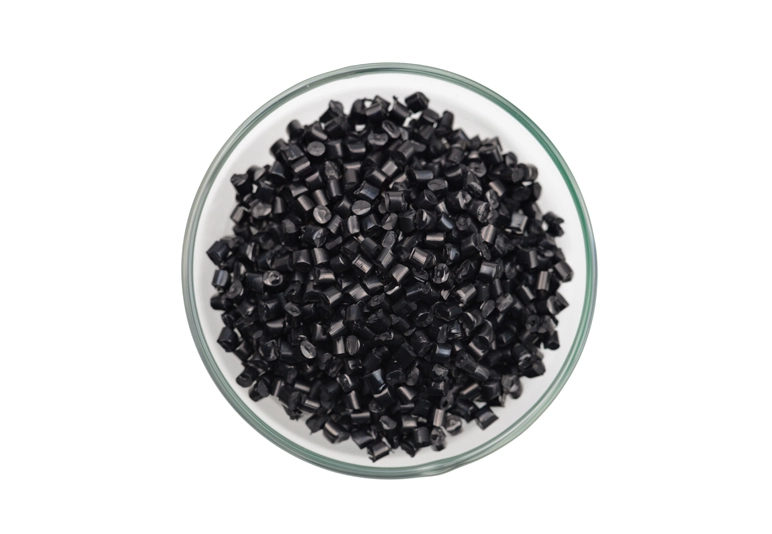 BLACK & WHITE MASTERBATCH
Black and white masterbatch is a pre-dispersed mixture of pigments and other additives that are used to create intense black or white colors in plastic manufacturing. These masterbatches consist of high-quality components and are added to the plastic resin in a specific proportion to produce a uniform, consistent color. Black and white masterbatch is widely used in industries like packaging, consumer goods, automotive, and construction. It provides benefits like better dispersion, color consistency, and improved physical properties. These masterbatches also improve the performance of the final product, such as UV resistance, heat resistance, or anti-static properties, depending on the additives used in their composition.
BLACK & WHITE MASTERBATCH LIST
Black Masterbatch
It provides excellent color consistency and improved mechanical properties to the final product.
White Masterbatch
It provides excellent resistance against ultra violet, weathering, heat, and light.
WHAT ARE THE APPLICATIONS OF BLACK AND WHITE MASTERBATCHES?
What Are the Applications of Black and White Masterbatches?
Black and white masterbatches are widely used in various industries such as packaging, consumer goods, automotive, and construction. These masterbatches are added to plastic resins to provide intense black or white colors and improved physical properties like UV resistance, heat resistance, or anti-static properties, depending on the additives used in their composition.
HOW ARE BLACK AND WHITE MASTERBATCHES ADDED TO PLASTIC RESINS?
How Are Black and White Masterbatches Added to Plastic Resins?
Black masterbatches and white masterbatches are added to plastic resins during the manufacturing process in specific proportions. The masterbatch is blended with the plastic resin by using a twin-screw extruder or a batch mixer to create a homogeneous melt. The finished product will have a uniform, consistent color and improved physical properties.
KEY DIFFERENCES BETWEEN BLACK AND WHITE MASTERBATCH MANUFACTURING
Key Differences Between Black and White Masterbatch Manufacturing
- Raw Materials
Black Masterbatch: Primarily uses carbon black as the pigment. Carbon black is highly effective in providing opacity, UV protection, and antistatic properties.
White Masterbatch: Relies on titanium dioxide (TiO₂) as the key pigment. TiO₂ offers excellent whiteness, brightness, and opacity, making it suitable for applications requiring a pristine finish.
- Pigment Concentration
Black Masterbatch: Typically has a higher pigment concentration (up to 50% or more). Carbon black requires fine dispersion due to its agglomeration tendency.
White Masterbatch: TiO₂ content usually ranges from 20% to 70%, depending on the desired application and opacity levels.
- Dispersion Challenges
Black Masterbatch: Carbon black has a high surface area and tends to form clumps. Achieving uniform dispersion is a major challenge, requiring intensive mixing and specialized equipment.
White Masterbatch: TiO₂ particles are easier to disperse compared to carbon black but require careful handling to avoid agglomeration and maintain consistency.
- Additives and Carriers
Black Masterbatch: Often includes additives like antioxidants, UV stabilizers, or antistatic agents. Polyethylene (PE) and polypropylene (PP) are common carrier resins.
White Masterbatch: May incorporate optical brighteners, UV blockers, or processing aids. PE, PP, and sometimes polystyrene (PS) are used as carriers.
- Equipment Used
Black Masterbatch: Requires high-shear mixers and twin-screw extruders for efficient dispersion of carbon black into the polymer matrix.
White Masterbatch: Generally uses standard twin-screw extruders but may need additional equipment to handle high TiO₂ loadings.
- Production Cost
Black Masterbatch: Typically has lower production costs due to the relatively low price of carbon black compared to TiO₂.
White Masterbatch: TiO₂ is a premium pigment, making the production cost of white masterbatch significantly higher.
- Applications and End-Use Requirements
Black Masterbatch: Designed for durability, UV resistance, and opacity in applications like automotive parts, cables, and outdoor furniture.
White Masterbatch: Prioritized for aesthetic appeal and high brightness in packaging, consumer goods, and medical devices.